HealthScope BriefTesting Cholesterol at Home: What Will the Results Tell You?
The difference between a single reading and a lipid panel, how home collection works, and what to do with the report.
HealthScope Brief Editors · Updated
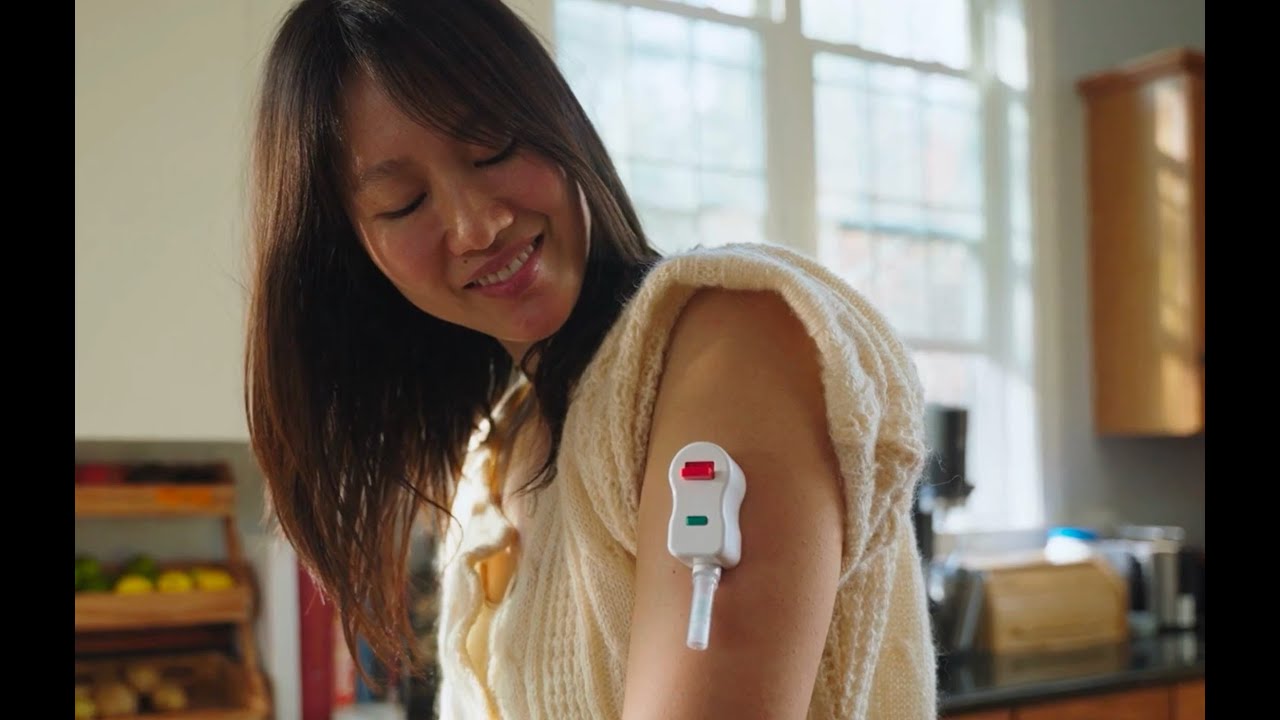
EasyDraw collection at home. Image: SiPhox Health.
You cannot reliably feel high cholesterol. That is why a blood test can reveal something that energy levels, exercise habits and appearance do not. Home collection offers another way to obtain that information, but it is worth knowing exactly which measurements will come back.[4]
A test advertised as a cholesterol check might return a single value or several results. A lipid panel usually includes total cholesterol, LDL cholesterol, HDL cholesterol and triglycerides. Those entries have different meanings; one favorable number does not explain the whole report.[5]
Start with the measurements
LDL carries cholesterol in the blood and is commonly called “bad” cholesterol because high levels can contribute to plaque in arteries. HDL helps carry cholesterol back to the liver and is often called “good” cholesterol. Triglycerides are a different type of fat measured alongside them.[5]
The shorthand is useful, but it can make the report sound simpler than it is. Your clinician considers these measurements with factors such as age, blood pressure, smoking and medical history when assessing cardiovascular risk. The goal is to understand your overall situation, not to collect a reassuring total-cholesterol number.
Home testing can mean two different things
Some devices analyze a small sample at home. Other services provide a collection kit that you send to a laboratory. Check which process you are buying and what the report includes.
SiPhox uses upper-arm collection followed by laboratory processing. Its Heart & Metabolic panel includes cholesterol-related measurements alongside markers of blood sugar.[7] It is a mail-in service, so the blood collection and the result arrive at different stages.
Preparation belongs to the specific test
Some lipid tests require fasting and others do not. Follow the instructions for your order, including any guidance about food, drinks and medicines. If you have not followed the preparation instructions, tell the collection service or clinician before proceeding.[5][8]
A repeat test is also an opportunity to make comparison easier. Keep the earlier report and note any changes in medication or testing conditions. Ask whether the same laboratory and method should be used.
What happens after a high result
An elevated value is a reason to review risk and options with a clinician. The response may include lifestyle changes, medication or further testing, depending on the result and your history. There is no single treatment decision that applies to everyone with the same cholesterol number.[5]
Do not assume that being active makes an unexpected result impossible. Family history and other factors can affect cholesterol too. Equally, a flag on a report is not a forecast that a heart attack is about to happen.
Compare the complete service
When choosing home testing, look for the measurements included, how the sample reaches the lab and how you will receive the report. A readable result should identify the units and reference information, and you should be able to keep a copy for follow-up.
For readers considering SiPhox, the Heart & Metabolic panel page lists its coverage and collection options. Bring previous cholesterol results to the decision if you have them; they can help clarify what you want the next test to show.
Explore Heart & Metabolic
Sources
- Prediabetes and prevention — CDC
- Symptoms of diabetes — CDC
- The A1C test and diabetes — NIDDK
- Cholesterol myths and facts — CDC
- Cholesterol levels — MedlinePlus
- Insulin resistance and prediabetes — NIDDK
- How at-home collection and lab processing work — SiPhox Health · checked September 10, 2026
- How to prepare for a lab test — MedlinePlus
General health information, not medical advice. Discuss concerning results or persistent symptoms with a licensed clinician. Enable JavaScript to use the on-page quiz.