HealthScope BriefYour Next Blood Test Could Start at Home. Here’s How It Works.
From an upper-arm sample to a laboratory report: a closer look at the process behind mail-in blood testing.
HealthScope Brief Editors · Updated
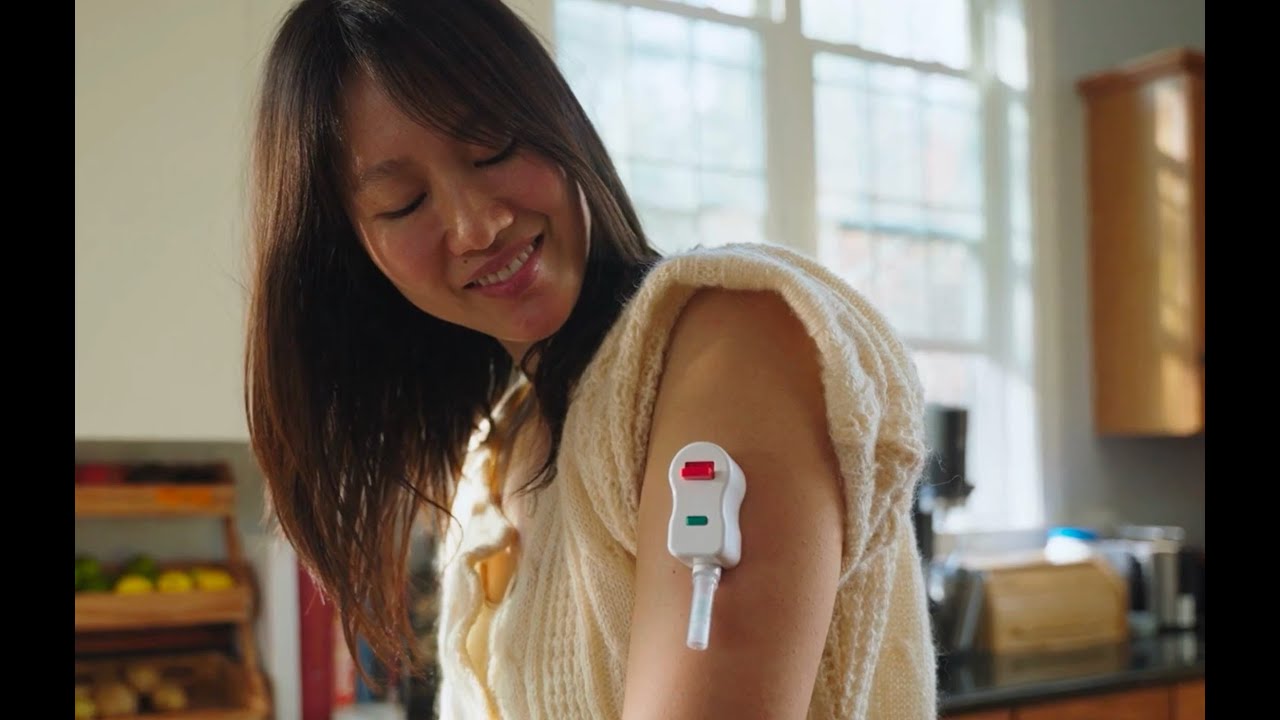
EasyDraw collection at home. Image: SiPhox Health.
The appointment is often the awkward part of getting bloodwork done. A morning at the lab can mean rearranging work, finding someone to watch the children or making a second trip across town. For some routine testing, the sample can now be collected at home and sent to a laboratory instead.
That is the service behind SiPhox’s mail-in blood tests. A small device collects blood from the upper arm; the lab analyzes the sample, and a digital report brings the results back to you. The collection happens at home. The analysis still happens in a lab.[1]
A small collector, followed by a laboratory
SiPhox calls its upper-arm collector EasyDraw. Its collection guide walks users through attaching the device, taking the sample and arranging its return. The company also offers live support during collection.[1]
This is different from a glucose meter, which displays a reading on the spot. MedlinePlus distinguishes between self-tests that give a result at home and self-collection kits that travel to a laboratory. Knowing which kind you are ordering makes the process much easier to picture.[3]
 The upper-arm collector. Photo: SiPhox Health.
What the blood is tested for
The collection kit is one part of the order. The panel determines which substances the laboratory measures.
SiPhox’s Longevity Essentials panel covers several areas of health, while its other options focus on subjects such as thyroid hormones or heart and metabolic health.[4] Someone interested in cholesterol will be looking for different measurements from someone following up on thyroid results. The names on the panel’s biomarker list are more useful than the size of the list alone.
If you already have a laboratory order from a clinician, compare it with the actual tests included. A wellness panel may not provide everything on that order.
Set aside time for preparation and return
Home collection saves a trip, but the instructions still matter. Check whether your test requires fasting, when the sample should be collected and how it needs to be packaged. Medicines and supplements can affect some results; ask about them before testing rather than changing your routine yourself.[2]
It helps to read the return instructions before opening the kit. Collection and shipping belong on the same calendar, especially if you are working around weekends or travel. Use the service’s support team if a step is unclear.
When the report arrives
Results become available after the sample has been processed. A collection time advertised in minutes is not a promise of an immediate laboratory report.
Save the full report, including units and laboratory reference ranges, so it can be compared with earlier bloodwork. A new flag or a persistent symptom deserves a conversation with a clinician, even when the rest of the report looks reassuring.
For people whose main obstacle is getting to a laboratory, home collection offers a practical alternative. SiPhox’s panel page shows what each option measures and how ordering works. The useful choice is the one that fits the bloodwork you need and a collection process you can comfortably follow.
Explore Longevity Essentials
Sources
- How at-home collection and lab processing work — SiPhox Health · checked September 10, 2026
- How to prepare for a lab test — MedlinePlus
- At-home medical tests — MedlinePlus
- Current testing programs and collection options — SiPhox Health · checked September 10, 2026
General health information, not medical advice. Discuss concerning results or persistent symptoms with a licensed clinician. Enable JavaScript to use the on-page quiz.