HealthScope BriefWhat Makes a Blood Test Baseline Useful?
What to save from a first report, and how to decide when a repeat could help.
HealthScope Brief Editors · Updated
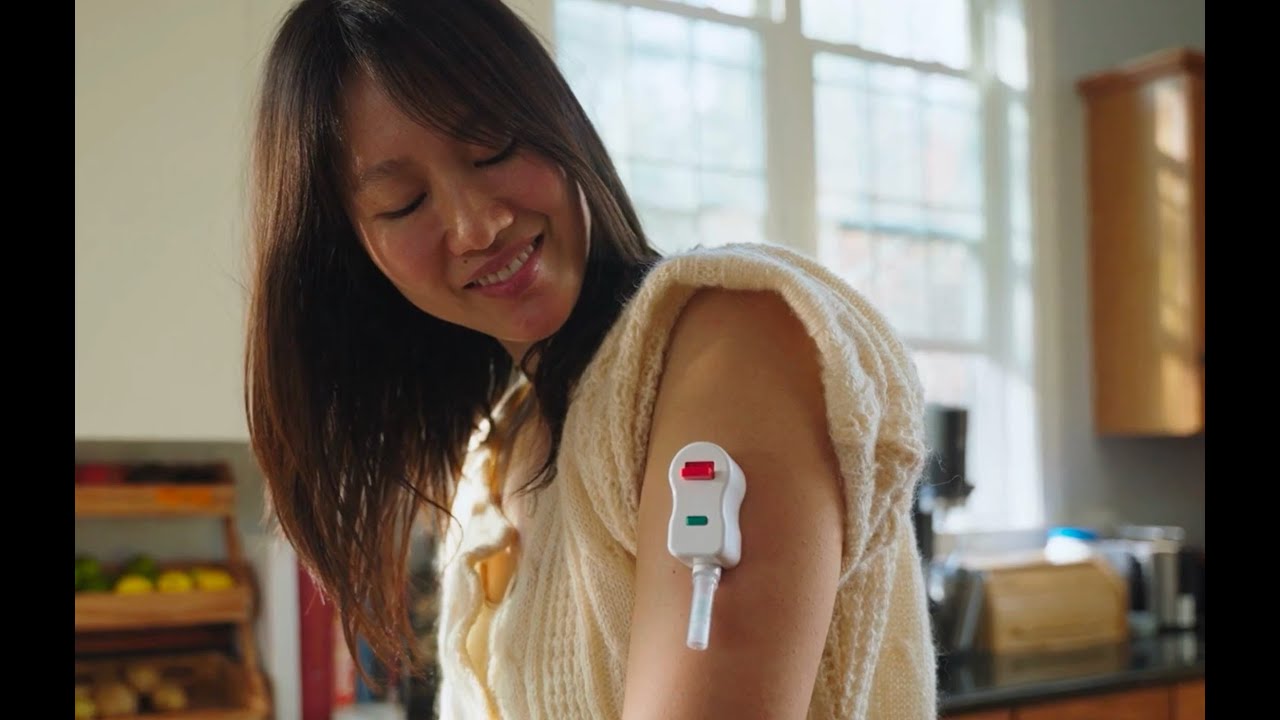
EasyDraw collection at home. Image: SiPhox Health.
An old blood test becomes surprisingly useful when a new report arrives. It provides a dated starting point: what was measured, by which laboratory and under what circumstances.
If you do not have an earlier result, a first test can establish that record. The choice of test still needs a reason. “Getting a baseline” alone does not tell you which measurements would be helpful.
Define the decision it might inform
Begin with a specific question about preventive care, a previous health concern or a change you plan to discuss with a clinician. The answer may call for a focused test, existing records or an appointment before any new bloodwork.
Write the question at the top of the folder where you keep the result. Months later, it will explain why the test was ordered and what you hoped to learn from it.
Save more than the highlighted number
Keep the full laboratory report. A useful baseline includes the collection date, test names, results, units and laboratory ranges. A cropped screenshot can lose the information needed for a later comparison.[1]
Add a short note about preparation if it is relevant. Were you instructed to fast? Was the collection at a particular time? Did you report a recent illness or a medicine change? Follow the laboratory’s directions and tell it if you were unable to do so.[2]
A baseline is not a personal target
Your first measurement records a starting condition. It does not automatically define the level that is best for you. A result within a reference interval also does not settle every question about health.[1]
Similarly, a future change needs interpretation. A different method or collection circumstance may complicate a comparison. Ask whether the tests are comparable before reading a small movement as an improvement.
Decide when a repeat would be useful
There is no single repeat schedule that fits every biomarker and every person. Ask what would justify another measurement: a treatment decision, follow-up of an unexpected result or a preventive-care recommendation.
This also helps distinguish a useful repeat from a subscription calendar. A purchase schedule is a commercial arrangement; clinical timing should fit the reason for testing.
Build a record you can keep using
SiPhox’s Longevity Essentials panel is one option for selected wellness measurements, with its included biomarkers listed in the program details.[4] If home testing fits your needs, keep the report in the same place as results from other providers.
A folder organized by collection date is enough to begin. Add a brief list of medicines and supplements when they change, and bring the record to your next relevant appointment.[3]
Explore Longevity Essentials
Sources
- How to understand your lab results — MedlinePlus
- How to prepare for a lab test — MedlinePlus
- Dietary supplements: what you need to know — NIH Office of Dietary Supplements
- Current testing programs and collection options — SiPhox Health · checked September 10, 2026
General health information, not medical advice. Discuss concerning results or persistent symptoms with a licensed clinician. Enable JavaScript to use the on-page quiz.