HealthScope BriefBefore Ordering a Blood Test, Check These Five Things
What is measured, how the sample is collected and what happens afterward all deserve a place in the comparison.
HealthScope Brief Editors · Updated
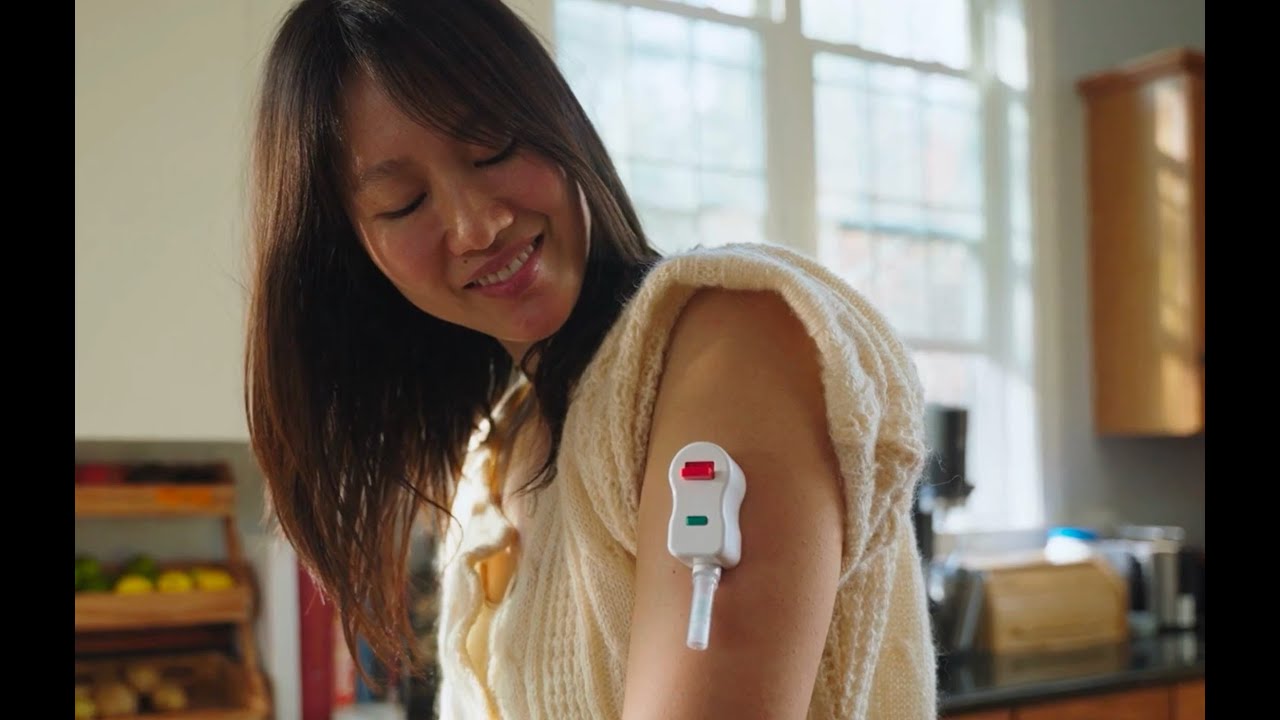
EasyDraw collection at home. Image: SiPhox Health.
A blood test can be easy to order and surprisingly hard to compare. Two panels may have similar names but include different measurements. A low advertised price may cover a different collection method or service. These five checks help make the choice more concrete.
1. The measurements you actually need
Start with the reason for testing: following a previous result, checking a particular concern or discussing preventive care. Then read the list of biomarkers included in the panel.
A larger panel is not automatically a better match. Some entries are calculated from other measurements, and two similarly named tests may answer different questions. If a clinician has ordered bloodwork, use that order as your comparison list.
2. Where collection and analysis happen
Some services send you to a laboratory for a blood draw. Others provide a kit for home collection, followed by laboratory analysis. Immediate home tests are another category again.[1]
SiPhox uses an EasyDraw upper-arm collector and laboratory processing. Check the collection instructions and return arrangements before deciding whether home collection suits your schedule.[4]
3. The complete price and renewal terms
Compare the amount you will pay for the full order, including shipping, collection options and any panel upgrade. Check whether the purchase starts a membership and when another charge could occur.
If you expect reimbursement or plan to use an HSA or FSA, confirm the terms for your own purchase. Eligibility and insurance coverage are different questions. A headline discount is only one part of the cost.
4. How the results will reach you
Ask what the report includes and how you can keep a copy. Measurement names, units, reference ranges and the collection date should travel with the results when you share them.[2]
Also look at the support offered after testing. An explanation in a dashboard can help you navigate a report; it does not answer every question about your medical history. Know whom to contact about an unexpected result.
5. Whether the test fits your care
A test is most useful when its result can inform a decision. Before ordering a repeat panel, ask when another measurement would be helpful and whether preparation should match the previous test.[3]
Persistent or worsening symptoms may call for an appointment rather than another wellness panel. If testing is appropriate, SiPhox’s program pages let you compare focused panels and broader options against the measurements you are looking for.[5]
Explore Ultimate 360
Sources
- At-home medical tests — MedlinePlus
- How to understand your lab results — MedlinePlus
- How to prepare for a lab test — MedlinePlus
- How at-home collection and lab processing work — SiPhox Health · checked September 10, 2026
- Current testing programs and collection options — SiPhox Health · checked September 10, 2026
General health information, not medical advice. Discuss concerning results or persistent symptoms with a licensed clinician. Enable JavaScript to use the on-page quiz.